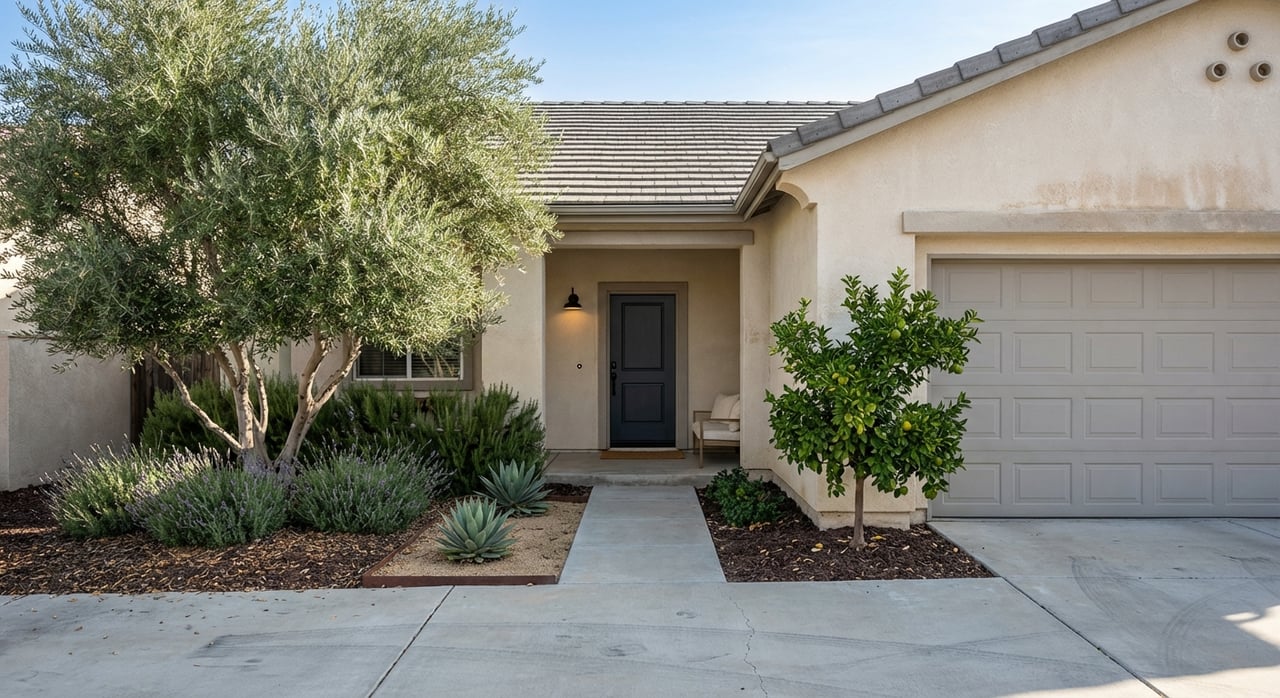
Are you seeing new model homes pop up around McSweeny Farms and wondering how your resale will stack up? You’re not alone. In a master-planned community with both established homes and active new construction, buyers will compare your home to brand-new options and builder incentives. In this guide, you’ll learn how to price smart, make high‑impact updates, stage and market effectively, and handle HOA and permit details so you can compete with confidence. Let’s dive in.
Know your competition in McSweeny Farms
McSweeny Farms sits on the outskirts of Hemet near Domenigoni and State Street, with a clubhouse, resort-style pool and spa, parks, and trails. That amenity set is a real selling point you can lean on in your marketing. You can see an overview of the community features on the official site for McSweeny Farms amenities.
Citywide, Hemet’s typical home value is about $436,811 according to recent reporting. Inside McSweeny Farms, prices vary widely by size, lot, and condition. Larger, updated mid‑2000s homes often trade in the mid‑$500Ks to $600Ks, while some builder neighborhoods advertise base prices in the low $300Ks for certain plans. The key is to localize your comps to the community and weigh the real net cost of new‑build incentives buyers may be offered.
Note on spelling: you’ll see both “McSweeny” and “McSweeney” used. They refer to the same master plan. When ordering HOA documents or permits, confirm the correct legal spelling on your property record.
Price to win against new builds
Your list price sets the tone for your entire strategy. Start by pulling 3 to 6 closed sales from the past 3 to 6 months inside or right next to McSweeny Farms, plus current active listings, including nearby spec homes. Focus on price per square foot, lot size, and condition. Model‑home sticker prices can be misleading if builders are layering in credits, so compare buyer net costs, not just list prices.
When you are head‑to‑head with a new spec home, use one of these approaches:
- Match the new‑build net cost. Price at or slightly under the buyer’s net after typical builder credits to capture value‑driven shoppers.
- Hold your price and sweeten the offer. Emphasize your superior lot, mature landscaping, and true move‑in readiness, and consider a small buyer credit such as a rate buydown or a home‑warranty allowance.
- Do selective updates to reach parity. Tackle a few cosmetic projects so your home photographs like new, then price accordingly.
Many McSweeny listings show HOA dues in the roughly $187 to $194 per month range. Confirm your exact amount with the association and present the clubhouse, pool, and park access as value for buyers. Those amenities matter when you are competing with brand‑new builds.
Make targeted updates buyers reward
Focus on low‑to‑mid cost projects that show well in photos and tours. Industry and association data confirm these deliver strong buyer impact:
- Fresh interior paint in a neutral palette. This is low cost and one of the most commonly recommended updates for sellers, according to the Remodeling Impact Report.
- Flooring upgrades. Replacing worn carpet with LVP or refinishing wood floors delivers broad appeal and reads clean in photos. Cost vs. Value benchmarks show strong resale recovery on many midrange cosmetic projects. See the latest guidance in the Cost vs. Value report.
- Minor kitchen refresh. Consider cabinet refacing or paint, new hardware, updated counters, and modern fixtures. A “minor” remodel often outperforms a full gut on cost recovered at resale.
- Bathroom refresh. New vanity, fixtures, lighting, and grout repair can make a lasting impression without a full remodel. Typical midrange scopes and returns are outlined in industry rundowns such as bathroom remodel ROI.
- Curb appeal tune‑up. Pressure‑wash, mulch, trim shrubs, touch up the front door, and tidy walkways. Mature landscaping can be a differentiator versus new construction.
- Systems and small repairs. Service HVAC, fix roof or plumbing leaks, and address electrical panel issues. A pre‑listing inspection helps remove negotiation friction and shows buyers you have cared for the home.
Buyers increasingly pay more for truly move‑in‑ready, updated homes, and discount visible fixer items. The right small projects can shift you into that “turnkey” bucket. Just avoid over‑improving beyond neighborhood top comps. The Cost vs. Value report warns that expensive custom work rarely pays if it pushes your price above local ceilings.
Stage and present like a pro
Staging is one of the highest‑impact investments you can make before listing. The National Association of Realtors reports that staging often reduces time on market, and nearly 29 percent of agents saw a 1 to 10 percent increase in offers after staging. See details in NAR’s coverage of how staging boosts prices and speed.
Prioritize the living room, kitchen, and primary bedroom. If the home is vacant, virtual staging can work well. Pair staging with strong listing assets:
- Professional HDR photography with lifestyle‑minded angles.
- A clear floor plan image. Buyers rank floor plans and photos among the most important listing features.
- A 3D tour or video walkthrough to capture out‑of‑area buyers.
- Drone imagery that highlights lot size, mature trees, and proximity to the clubhouse or parks.
These assets usually cost far less than a price reduction and can improve both speed and offer quality.
Messaging that beats model homes
Your listing remarks should highlight what a resale in McSweeny offers that a just‑built home may not:
- Move‑in ready with no construction timelines or dust.
- Mature landscaping, privacy, and established streetscapes.
- Access to the community clubhouse, pool, spa, parks, and trails. Share context from the McSweeny Farms amenities page.
- Flexible closing timing and the option to choose your own lender.
- Inspections, service records, and permits on file for peace of mind.
Use photo captions and bullet points in your listing to surface these wins quickly for buyers scrolling on their phones.
HOA, permits, and energy code
Order the HOA resale packet early. California’s Davis‑Stirling rules require that governing documents, budgets, reserve summaries, and insurance disclosures be made available to buyers, often for a reasonable fee. Request these documents before you go live so you do not risk escrow delays. A quick overview of these requirements is summarized in this board member guide.
Confirm that any past or planned work was properly permitted. Documenting permits helps buyers feel confident. Also note that California’s 2025 Title 24 energy code took effect on January 1, 2026 for new construction and certain alterations, which can affect planning for big mechanical or electrical upgrades. You can read more at the state’s Building Energy Efficiency Standards portal.
Finally, double‑check the legal spelling of your tract and subdivision on HOA and county records. Both “McSweeny” and “McSweeney” appear in public materials, and accuracy matters for documents.
Small‑money, big impact budget guide
Use local contractor quotes to finalize numbers, but these rough ranges can help you plan. Choose a few items that deliver the best photo impact and buyer payoff:
- Fresh interior paint: $1,500 to $5,000, depending on size. This is one of the most recommended projects in the Remodeling Impact Report.
- Minor kitchen refresh: $8,000 to $30,000 for refacing or painting cabinets, new hardware, and counters. Midrange scopes often return a strong share of cost per the Cost vs. Value report.
- Bathroom refresh: $8,000 to $25,000 depending on scope, as outlined in bathroom remodel ROI.
- Staging or virtual staging: $500 to $3,500. NAR data shows staging commonly improves both speed and price.
- Curb and yard refresh: $300 to $3,000. Consider low‑water plantings and check for local turf conversion rebates listed in roundups like landscaping rebates.
Simple pre‑listing timeline
- 4 to 6 weeks out: Order your HOA resale packet, schedule a pre‑listing inspection, gather service records and permits, and get quotes for prioritized updates. The Davis‑Stirling packet is critical, so request it early as summarized in this guide.
- 2 to 3 weeks out: Complete paint, flooring fixes, minor kitchen or bath refresh, deep clean, declutter, and elevate curb appeal. Confirm paperwork for any work you just completed.
- Listing week: Install staging, then book professional photos, a floor plan, a 3D tour, and drone shots. Finalize remarks that spotlight move‑in readiness, mature landscaping, and community amenities.
- Showing period: Keep the home spotless. Provide a simple packet with HOA docs, inspection summary, and recent service records. Be ready with a concession playbook, such as a home‑warranty credit or modest rate‑buydown credit, if a builder nearby is offering incentives.
Quick decision guide
If your top comparable sales would cap your post‑renovation price, do not gut‑renovate. Focus on midrange cosmetic updates, staging, and great marketing, per the Cost vs. Value report.
If a nearby builder is offering rate buydowns or closing credits that lower buyer monthly costs, consider a targeted buyer credit rather than big list‑price cuts. Small incentives can close the gap without eroding your net.
If you have hard‑to‑replicate features like a larger lot, mature trees, or permitted improvements, price and market around those strengths. Not every buyer is fixated on brand‑new finishes when the lot and location are stronger.
Ready to sell with confidence
Selling a home in McSweeny Farms is about positioning. With the right price, smart cosmetic updates, strong staging and media, and on‑point paperwork, your home can stand out against new construction and capture top‑of‑market interest. If you want local, hands‑on guidance from pricing through presentation and negotiation, reach out to Feigen Realty Group for a free home valuation and a tailored selling plan.
FAQs
How can a McSweeny Farms resale compete with builder incentives?
- Price to the buyer’s net cost, spotlight mature landscaping and move‑in readiness, and consider a small buyer credit like a home warranty or partial rate buydown to offset builder perks.
Which updates deliver the best ROI before selling in Hemet?
- Fresh neutral paint, strategic flooring upgrades, a minor kitchen refresh, and a bathroom tune‑up are common high‑impact projects backed by industry benchmarks and remodeling reports.
Should I stage my McSweeny Farms home and which rooms matter most?
- Yes, staging often reduces time on market and can lift offers. Focus on the living room, kitchen, and primary bedroom, and consider virtual staging if the property is vacant.
Do HOA dues and amenities help my marketing?
- Yes. Confirm your dues with the association and highlight the clubhouse, pool, spa, parks, and trails as lifestyle value that new construction in the area also promotes.
What pre‑listing timeline should I expect?
- Plan 4 to 6 weeks to gather HOA docs, complete minor updates, and schedule staging and media. Launch with professional photos, a floor plan, and a 3D tour for maximum impact.