By Feigen Realty Group
The rise of remote and hybrid work has made the home office one of the most important rooms in any house — and in Hemet's market, buyers are increasingly factoring dedicated workspace into their search. Designing a space that is both functional and visually appealing is more achievable than most expect. We share the principles we recommend most consistently to our clients.
Key Takeaways
- Choosing the right space and layout is the essential first step in any home office design
- Ergonomic furniture protects health and supports sustained productivity across a full workday
- Lighting and technology are the functional backbone every effective home office depends on
- Thoughtful style choices make a workspace more appealing without ever sacrificing function
Setting Up Your Workspace: Choosing the Right Space and Layout
The first decision in any home office design is where to put it — and the answer matters more than most homeowners realize. Separation from high-traffic areas, access to natural light, and enough space to work without feeling cramped consistently determine whether a home office gets used productively or quietly abandoned. We help our clients think through these decisions before a single piece of furniture is purchased.
How to Choose and Configure the Right Space for Your Home Office
- Prioritize separation from living and kitchen areas: acoustic distance from household activity is essential for focus and video calls
- A dedicated room with a door is the gold standard — guest rooms, formal dining rooms, and converted garages are all strong candidates
- If a dedicated room isn't available, an alcove, landing, or built-in nook can create meaningful separation with the right design approach
- Allow at least three feet of clear space behind the chair: tight circulation makes any workspace feel cramped regardless of its size
- Consider your video call backdrop: whatever appears behind you on camera should be intentional, clean, and professionally appropriate
Furniture and Ergonomics: Comfort That Supports Productivity
The furniture in a home office determines not just how the space looks but how the body feels after a full day of work — and investing in ergonomics is one of the highest-return decisions a remote worker can make. In Hemet's market, a well-furnished home office also adds measurable appeal to buyers who are evaluating workspace potential during a showing.
Furniture Priorities for a Functional Home Office
- A properly sized desk that places the monitor at eye level and allows arms to rest comfortably at the keyboard
- An ergonomic chair with lumbar support, adjustable height, and armrests: the single most impactful furniture investment for daily comfort
- Adequate storage: a filing cabinet, bookshelf, or credenza that keeps work materials organized and off the desk surface
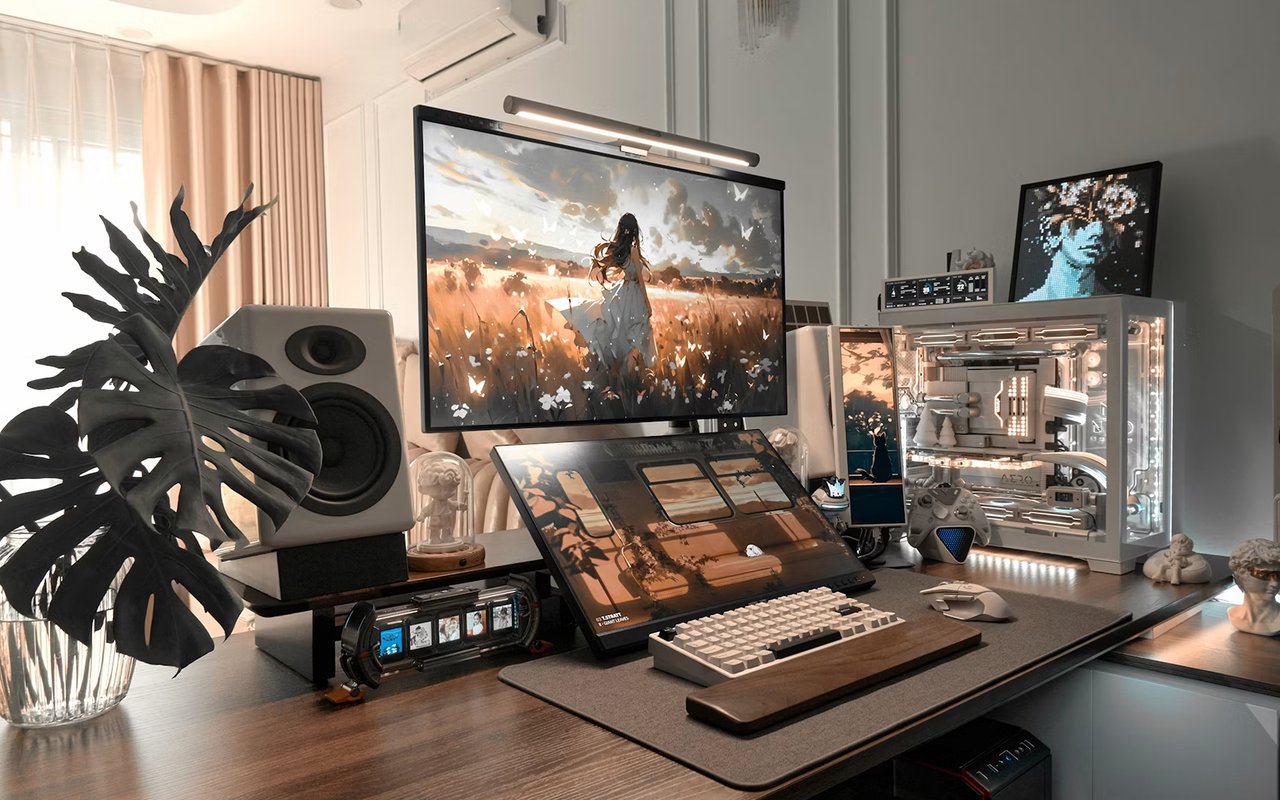
- A second monitor or monitor arm: dual-screen setups improve productivity for most knowledge-work tasks with minimal additional footprint
- Cable management solutions: a clean desk surface reduces visual stress and makes the space photograph better at listing time
Lighting and Technology: Getting the Fundamentals Right
A home office in Hemet benefits from good natural light for much of the year — but natural light alone is rarely sufficient, and poorly planned artificial lighting is among the most common sources of eye strain and video call quality issues. Technology infrastructure — reliable internet, adequate power, and thoughtful device placement — is the other half of the functional foundation everything else depends on.
Lighting and Technology Essentials for a Home Office
- Position the desk to receive natural light from the side rather than directly behind or in front of the monitor to minimize glare
- Layer artificial lighting: overhead for general use plus a dedicated task lamp that illuminates work surfaces without creating screen glare
- A dedicated internet hardwire connection or mesh Wi-Fi node in the office: video call reliability depends on consistent signal strength
- Sufficient outlets and a surge-protected power strip: most home office setups require more accessible power than older Hemet homes typically provide
- A quality webcam or ring light for video calls: small investments that meaningfully improve how you present on camera throughout the workday
Style and Personalization: Making the Space Feel Like Yours
Functionality earns its full return when the space also feels genuinely good to be in — and a well-styled home office signals professionalism, improves daily motivation, and adds visual value during home showings. Strong style choices don't require a large budget; they require intention and a few well-made decisions.
Style Choices That Elevate a Home Office Without Overwhelming It
- A consistent two-to-three tone color palette: a neutral base with one accent color keeps the space cohesive without feeling sterile
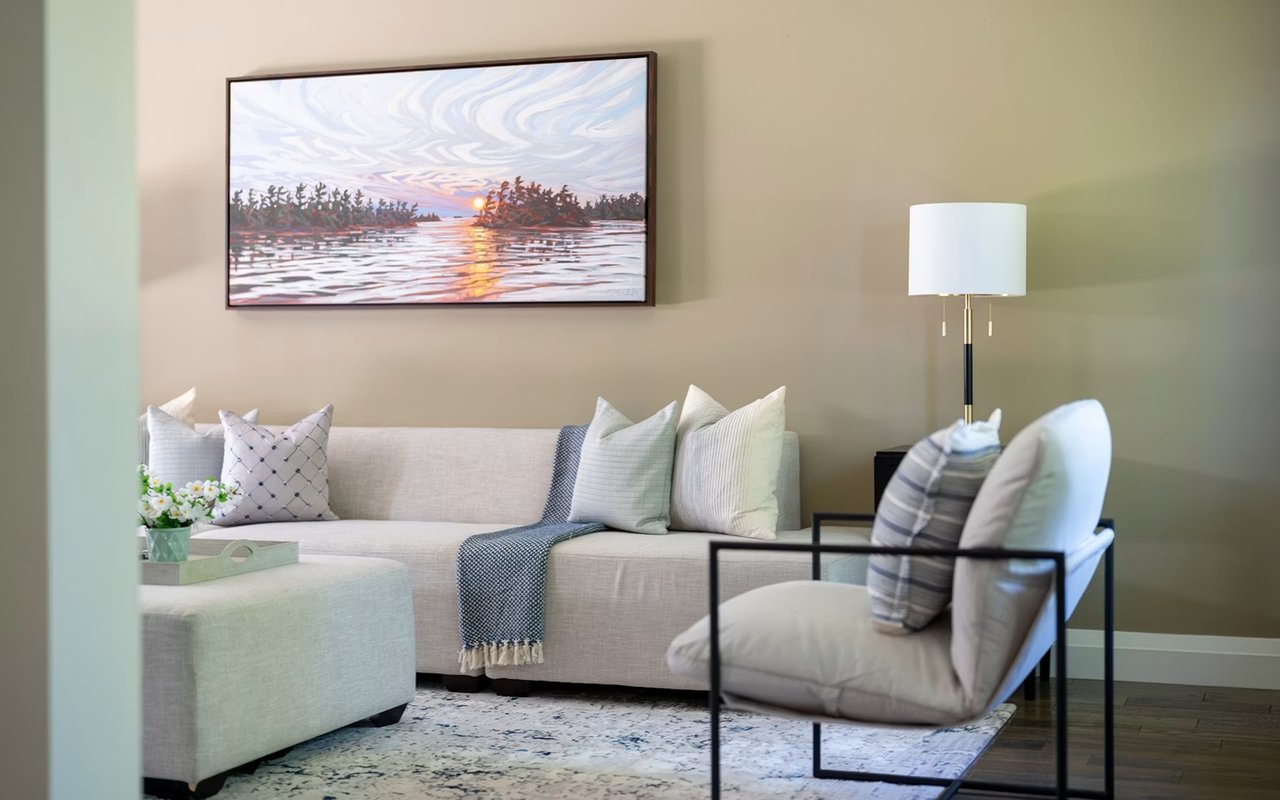
- One piece of meaningful wall art or a curated shelf display creates a professional backdrop without distracting during video calls
- Indoor plants add warmth and require minimal maintenance — even a single well-placed plant changes the feel of a room noticeably
- Desk accessories in a consistent finish: a matching pen cup, tray, and lamp base create a pulled-together look at minimal cost
- Window treatments that balance light control with privacy: solar shades or light-filtering blinds work well in Hemet's consistently sunny climate
Frequently Asked Questions
Does a Home Office Add Value When Selling in Hemet?
Yes — a well-presented dedicated workspace resonates strongly with today's buyer pool. A clean, functional office that photographs well can improve a home's appeal at listing and supports stronger perceived value relative to comparable properties without dedicated workspace.
How Much Space Is Needed for a Functional Home Office?
More than most assume. A desk, ergonomic chair, and minimal storage require at least 80 to 100 square feet to feel comfortable. Smaller footprints are workable with careful furniture selection, but tight spaces require intentional planning to avoid feeling cramped during a full workday.
How Do We Create a Home Office Without a Spare Room?
Converting a closet into a dedicated work nook, using a room divider to section off a corner of a bedroom, or building out a hallway alcove with a floating desk are all proven approaches. The key is creating visual and acoustic separation from the rest of the living space.
Reach Out to Feigen Realty Group for Hemet Home Expertise
Whether you're setting up a home office or preparing your home for sale, we're here to help. Reach out to us at Feigen Realty Group and let's talk about making your Hemet home work harder for you.